%2Ffit-in%2F250x250%2Fguide_websites%2F56645%2Fimages%2F1774017508251endeavorsportfishinglogo3.jpg.png&w=1920&q=100)
/users/1fd3dedb-e428-45d6-9790-15fc7ad9afdb/ratecard/img_0576-mj2w88s1.jpg)
%2F300x300%2Fusers%2F1fd3dedb-e428-45d6-9790-15fc7ad9afdb%2Fratecard%2Fimg_0576-mj2w88s1.jpg&w=256&q=75)
%2F300x300%2Fusers%2F1fd3dedb-e428-45d6-9790-15fc7ad9afdb%2Fimages%2Fstriped-bass-fishing-ma-2430.jpg&w=256&q=75)
%2F300x300%2Fusers%2F1fd3dedb-e428-45d6-9790-15fc7ad9afdb%2Fimages%2Fstriped-bass-fishing-bourne-3240.jpg&w=256&q=75)
%2F300x300%2Fusers%2F1fd3dedb-e428-45d6-9790-15fc7ad9afdb%2Fimages%2Fstriped-bass-fishing-ma-2672.jpg&w=256&q=75)
%2F300x300%2Fusers%2F1fd3dedb-e428-45d6-9790-15fc7ad9afdb%2Fimages%2Fbountiful-striped-bass-bourne-3160.jpg&w=256&q=75)
%2F300x300%2Fusers%2F1fd3dedb-e428-45d6-9790-15fc7ad9afdb%2Fimages%2Fstriped-bass-fishing-bourne-3239.jpg&w=256&q=75)
%2F300x300%2Fusers%2F1fd3dedb-e428-45d6-9790-15fc7ad9afdb%2Fimages%2Fsuccessful-sea-bass-fishing-ma-3248.jpg&w=256&q=75)
%2F300x300%2Fusers%2F1fd3dedb-e428-45d6-9790-15fc7ad9afdb%2Fimages%2Fstriped-bass-fishing-ma-3141.jpg&w=256&q=75)
%2F300x300%2Fusers%2F1fd3dedb-e428-45d6-9790-15fc7ad9afdb%2Fimages%2Fstriped-bass-bourne-3244.jpg&w=256&q=75)
%2F300x300%2Fusers%2F1fd3dedb-e428-45d6-9790-15fc7ad9afdb%2Fimages%2Fstriped-bass-fishing-ma-3162.jpg&w=256&q=75)
%2F300x300%2Fusers%2F1fd3dedb-e428-45d6-9790-15fc7ad9afdb%2Fimages%2Fstriped-bass-fishing-ma-3158.jpg&w=256&q=75)
Top-Rated Cape Cod Bottom Fishing Charter
 Cape Cod
What you will be catching:
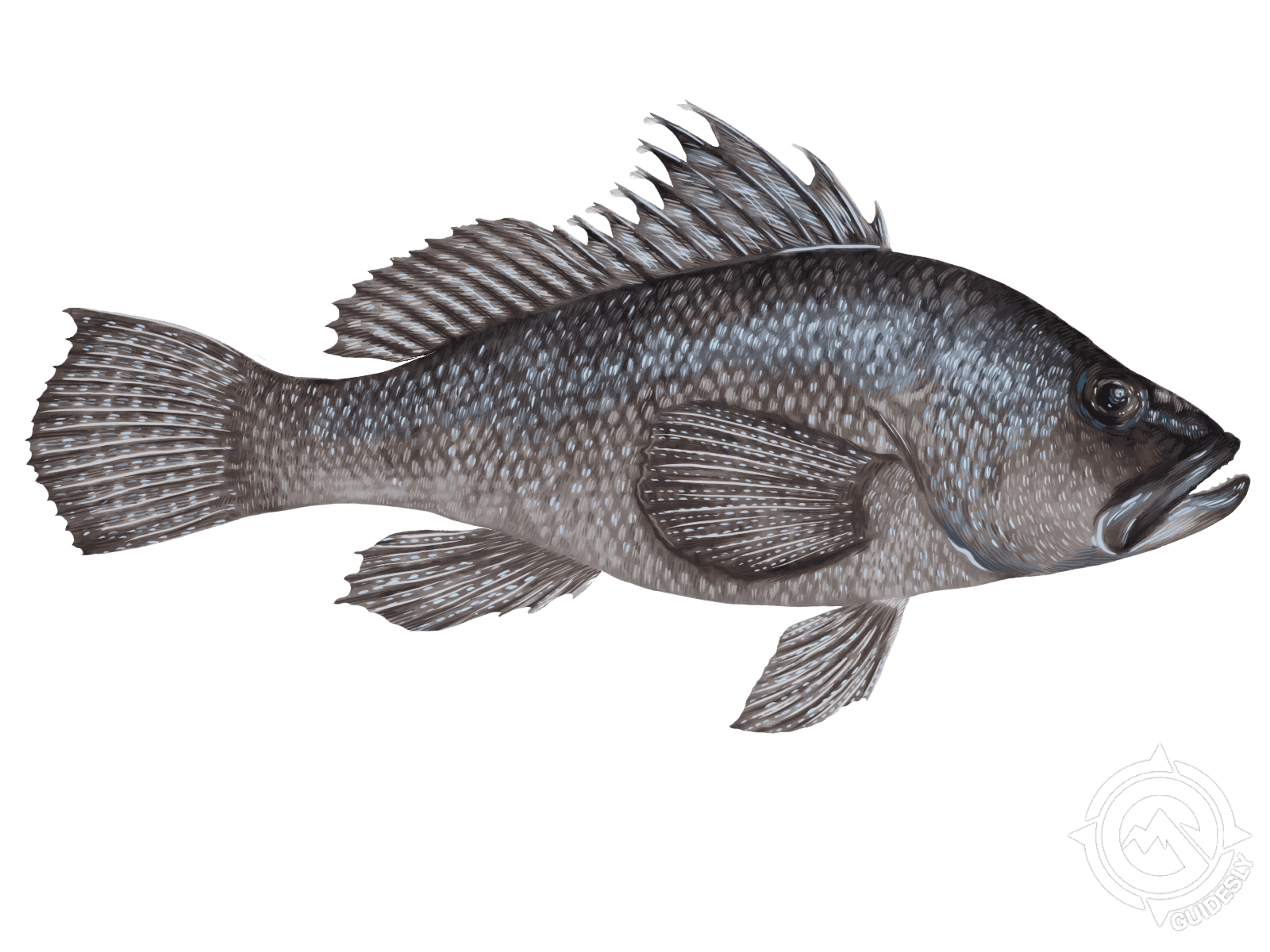
 Black Sea Bass
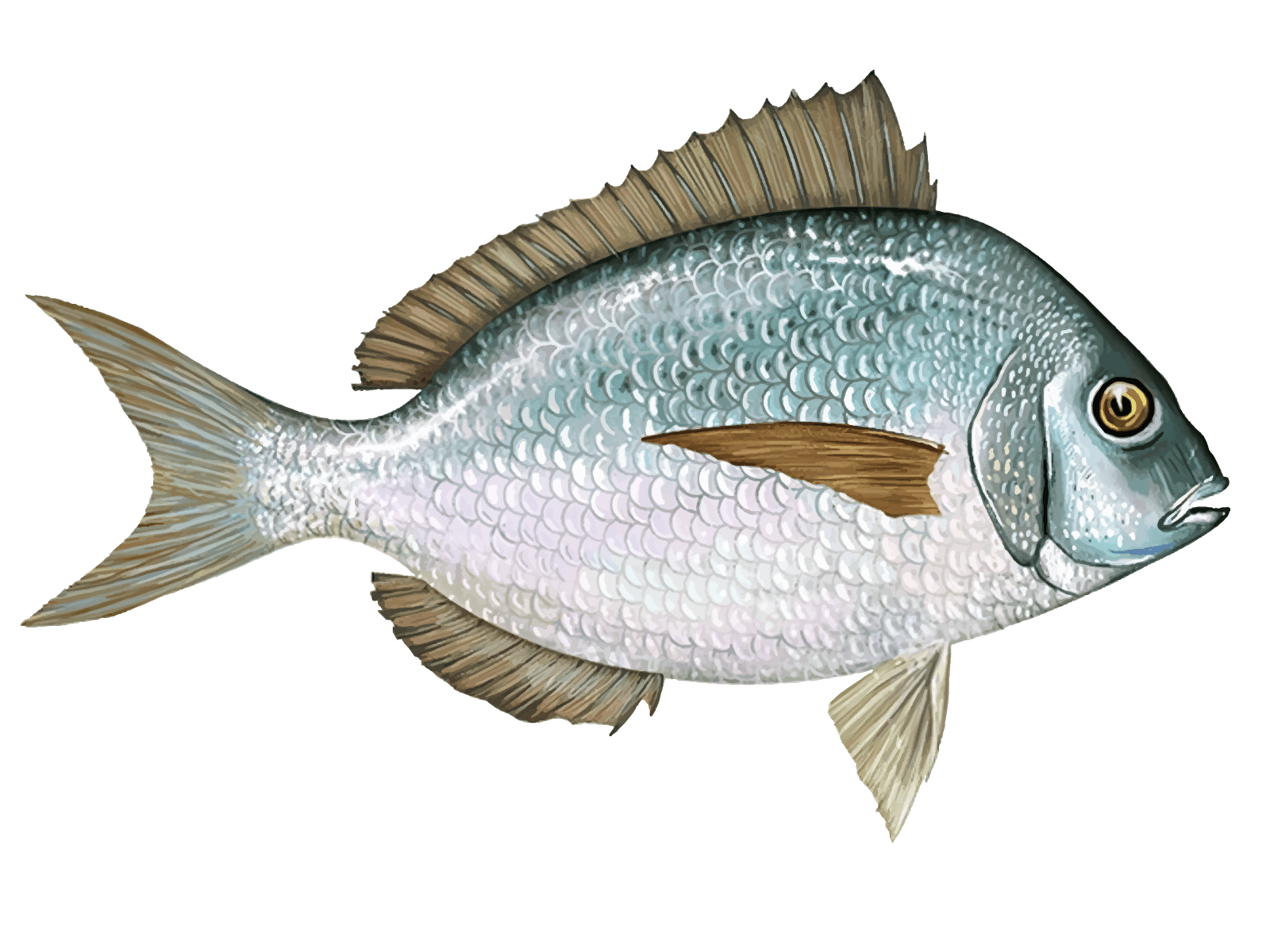
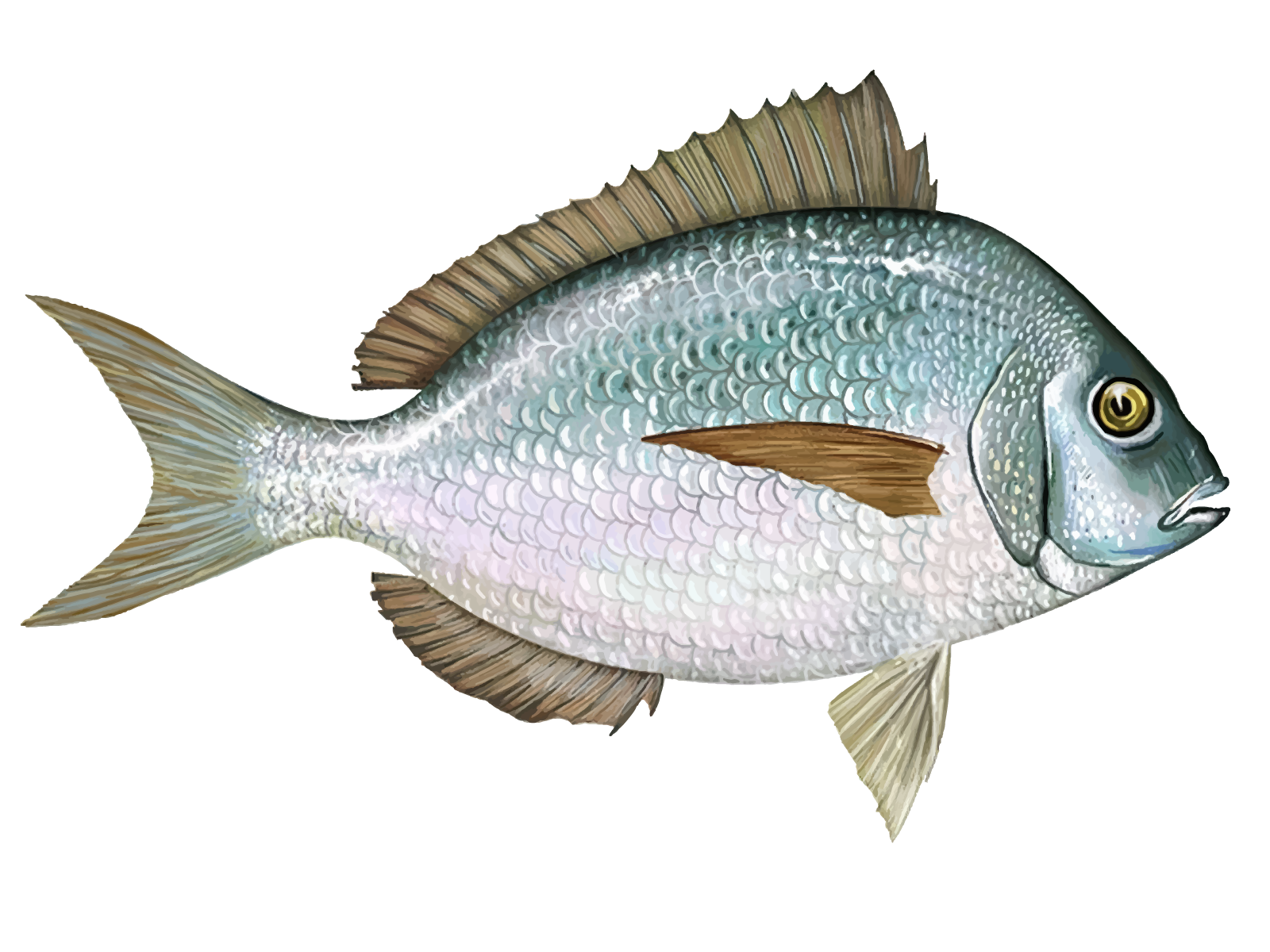 Scup
Scup Summer Flounder
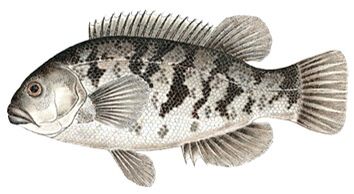 Tautog
 Winter Flounder
- 6-hour bottom fishing adventure targeting five inshore species
- Maximum 4 anglers ensuring personalized attention and ample space
- Expert captain guidance at productive Cape Cod fishing locations
Trip Pricing and Availabilities:
Cape Cod Bottom Fishing Charter
Cape Cod's inshore waters offer some of the most consistent bottom fishing on the East Coast, and this 6-hour charter puts you right in the action. Running July through September when the fishing is at its peak, you'll be targeting the bread-and-butter species that make Cape Cod famous among anglers. With just 4 spots available, this isn't your typical crowded party boat experience – it's an intimate day on the water where everyone gets plenty of rod time and personal attention from the crew.
What to Expect on the Water
This top-rated charter kicks off early, giving you the full day to work the productive inshore grounds around Cape Cod. The captain knows these waters like the back of his hand, hitting the rocky structure, sandy flats, and drop-offs where Winter Flounder, Tautog, Black Sea Bass, Scup, and Summer Flounder love to hang out. You'll be fishing in depths ranging from 15 to 60 feet, using traditional bottom rigs and technique that's been proven effective for generations of Cape Cod anglers. The small group size means you're not fighting for space at the rail, and the crew can spend real time helping you dial in your technique. Bring your own snacks and drinks since meals aren't provided – most folks pack a cooler with sandwiches and plenty of water for the day.
Bottom Fishing Techniques
Bottom fishing here is all about reading the structure and presenting your bait naturally. The crew will set you up with quality rods and reels, plus all the terminal tackle you need – from high-low rigs for the mixed bag fishing to specialized jigs for targeting specific species. You'll be using circle hooks to protect the fish, and the captain will show you how to feel the difference between a nibbling Scup and the solid thump of a Black Sea Bass. The key is staying in contact with the bottom while avoiding snags on the rocky areas. Bait varies depending on what's working best, but expect to use sea worms, squid, and sometimes fresh cut bait. The boat moves frequently to stay on the fish, so you'll see different bottom types and learn how each species relates to specific habitat.
Target Species You'll Want to Hook
Summer Flounder, or Fluke as locals call them, are the prize catch on this charter. These flatfish are pure eating quality and can reach impressive sizes in Cape Cod waters. They're ambush predators that bury themselves in sandy bottom, waiting to strike at baitfish swimming overhead. July and August are prime time, when the bigger "doormat" fluke move into the shallower inshore areas. What makes them so exciting is their aggressive strike – one second you're bouncing bottom, the next your rod is bent double. Plus, they're one of the best table fish you'll ever taste.
Tautog, known locally as "tog," are the bulldogs of the bottom. These fish live around rocky structure and wrecks, using their powerful jaws to crush shellfish and crabs. They're incredibly strong for their size and will test your drag system when they try to get back to their rocky hideouts. Tog are excellent eating with firm, white meat that's perfect for fish and chips. The trick with these guys is patience – they're notorious bait stealers, so you need to feel for that subtle pickup before setting the hook.
Black Sea Bass are customer favorites because they're both fun to catch and delicious on the plate. These fish are curious and often travel in schools, so when you find one, there are usually more nearby. They're structure-oriented fish that love rocky bottom and will readily take both natural baits and small jigs. Sea bass have a distinctive appearance with their large mouths and spiny dorsal fins, and they put up a scrappy fight relative to their size. The regulations change yearly, but when they're in season, they're hard to beat for consistent action.
Scup, or "porgy," might be smaller than the other target species, but they make up for it in numbers and eating quality. These fish school heavily during summer months and provide non-stop action when you find them. They're perfect for getting kids or new anglers started since they bite readily and aren't too hard to handle. Don't let their size fool you – fresh Scup are outstanding table fare with sweet, flaky meat that's perfect for a fish fry.
Winter Flounder are the other flatfish you'll encounter, though they're generally smaller than their summer cousins. These fish are bottom-huggers that feed on worms, small crabs, and other invertebrates. They're known for their delicate bite, so you need to pay attention to your rod tip. Winter flounder are considered by many to be superior table fare compared to summer flounder, with a more delicate flavor and finer texture. Finding them requires knowledge of the right bottom composition and tide conditions.
Time to Book Your Spot
This world-class bottom fishing experience books up quickly during peak season, especially with only 4 spots available per trip. The July through September window gives you the best shot at all the target species, with August typically being the most productive month. Whether you're a seasoned angler looking to fill the cooler or someone new to saltwater fishing who wants to learn from experienced guides, this charter delivers the goods. The combination of expert local knowledge, quality equipment, and Cape Cod's renowned fishing grounds makes for a day you'll want to repeat. Don't wait too long to reserve your spot – the best fishing days fill up fast, and you don't want to miss out on some of the finest inshore fishing the Northeast has to offer.
Learn more about the species
Black Sea Bass
Black Sea Bass are chunky, aggressive bottom dwellers that love structure like wrecks, rocks, and jetties. Most run 1-3 pounds and 12-16 inches, but we see plenty of 4-6 pounders during peak summer months. They stick to depths of 30-120 feet around hard bottom. These grouper cousins put up a solid scrap until they break the surface, then give up quickly. The males turn bright blue during spawning season and develop a distinctive hump on their heads. Guests appreciate their consistent action and excellent table fare - firm, white meat that's perfect for the grill. They'll hit squid strips, clams, or small jigs. Best advice: once you hook up, keep steady pressure and reel fast - they'll try to cut you off in the rocks if given slack line.
Scup
Scup, also called porgy, are scrappy silver fish with rainbow-colored scales that shimmer in the sun. They typically run 12-15 inches and 1-2 pounds, though they can reach 18 inches. You'll find them around rocky structure, pilings, and wrecks in 20-80 feet of water from May through October. They're bottom feeders with strong jaws built for crushing shells and mussels. Guests love them because they're plentiful, fight hard for their size, and make excellent table fare. They're also great live bait for stripers. These fish are easy to catch on squid, clams, or sea worms with light tackle. Local trick: once you find a school, work the area thoroughly - they travel in groups and where there's one, there's usually dozens more.
Summer Flounder
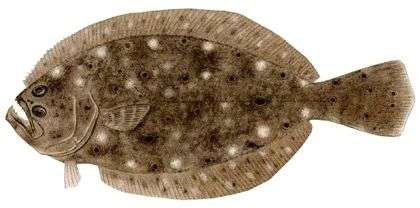
Summer Flounder, or fluke, are masters of disguise that change color to match the bottom. These flatfish average 15-20 inches but can hit 26 pounds. They're ambush predators lying sideways on sandy bottoms in 10-60 feet of water, waiting to strike at baitfish. Peak season runs July through September when they move inshore around Cape Cod. What makes them special is their unpredictable fight - they'll dart and dive once hooked. The meat is excellent, white and flaky. They respond well to live minnows, sea worms, and squid. Pro tip: use a circle hook and let them take the bait completely before setting - they bite sideways and need time to turn the bait around in their mouth.
Tautog
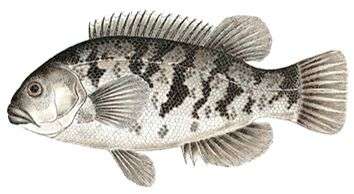
Tautog, nicknamed "blackfish," are the bulldogs of our local waters. These thick-bodied wrasses average 2-4 pounds but can reach 10+ pounds and fight like fish twice their size. You'll find them tight to structure - boulders, jetties, and wrecks in 15-60 feet of water. They use powerful jaws and pharyngeal teeth to crush crabs, mussels, and barnacles. Peak fishing runs through our summer season when they're most active and aggressive around their territories. Guests love the challenge - they're smart, structure-oriented fish that test your skills. The reward is some of the best eating around Cape Cod. Green crabs work best for bait. Pro tip: fish right at first light when they're most active, and keep your bait moving just off the rocks.
Winter Flounder
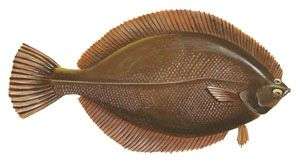
Winter Flounder, or "blackbacks," are right-eyed flatfish that stick close to bottom structure year-round. They average 10-12 inches but can reach 25 inches and 8 pounds. Unlike their summer cousins, these fish stay inshore through our season, hiding in eelgrass beds and around rocky areas in 15-50 feet of water. They're picky eaters with small mouths, preferring marine worms and small clams. What guests enjoy is their excellent eating quality - sweet, delicate white meat that's hard to beat. They feed mainly in morning hours using sight to hunt. The key to success is using small hooks with fresh sea worms or clam pieces. My advice: be patient and use a sensitive rod - they nibble first before committing to the bite.
About the Endeavor Sportfishing
%2F%2Fusers%2F1fd3dedb-e428-45d6-9790-15fc7ad9afdb%2Fvehicle_picture%2F463606713_122105972900559352_82552088399394509_n-mhzj1kyo.jpg&w=1920&q=75)
Vehicle Guest Capacity: 4
Manufacturer Name: Suzuki
Maximum Cruising Speed: 30
Number of Engines: 1
Horsepower per Engine: 300