%2Ffit-in%2F250x250%2Fguide_websites%2F56645%2Fimages%2F1774017508251endeavorsportfishinglogo3.jpg.png&w=1920&q=100)
/users/1fd3dedb-e428-45d6-9790-15fc7ad9afdb/ratecard/img_6736-mj2vizns.jpg)
%2F300x300%2Fusers%2F1fd3dedb-e428-45d6-9790-15fc7ad9afdb%2Fratecard%2Fimg_6736-mj2vizns.jpg&w=256&q=75)
%2F300x300%2Fusers%2F1fd3dedb-e428-45d6-9790-15fc7ad9afdb%2Fimages%2Fstriped-bass-fishing-ma-2430.jpg&w=256&q=75)
%2F300x300%2Fusers%2F1fd3dedb-e428-45d6-9790-15fc7ad9afdb%2Fimages%2Fstriped-bass-fishing-bourne-3240.jpg&w=256&q=75)
%2F300x300%2Fusers%2F1fd3dedb-e428-45d6-9790-15fc7ad9afdb%2Fimages%2Fstriped-bass-fishing-ma-2672.jpg&w=256&q=75)
%2F300x300%2Fusers%2F1fd3dedb-e428-45d6-9790-15fc7ad9afdb%2Fimages%2Fbountiful-striped-bass-bourne-3160.jpg&w=256&q=75)
%2F300x300%2Fusers%2F1fd3dedb-e428-45d6-9790-15fc7ad9afdb%2Fimages%2Fstriped-bass-fishing-bourne-3239.jpg&w=256&q=75)
%2F300x300%2Fusers%2F1fd3dedb-e428-45d6-9790-15fc7ad9afdb%2Fimages%2Fsuccessful-sea-bass-fishing-ma-3248.jpg&w=256&q=75)
%2F300x300%2Fusers%2F1fd3dedb-e428-45d6-9790-15fc7ad9afdb%2Fimages%2Fstriped-bass-fishing-ma-3141.jpg&w=256&q=75)
%2F300x300%2Fusers%2F1fd3dedb-e428-45d6-9790-15fc7ad9afdb%2Fimages%2Fstriped-bass-bourne-3244.jpg&w=256&q=75)
%2F300x300%2Fusers%2F1fd3dedb-e428-45d6-9790-15fc7ad9afdb%2Fimages%2Fstriped-bass-fishing-ma-3162.jpg&w=256&q=75)
%2F300x300%2Fusers%2F1fd3dedb-e428-45d6-9790-15fc7ad9afdb%2Fimages%2Fstriped-bass-fishing-ma-3158.jpg&w=256&q=75)
Newport's Best Fall Blackfish Trip | Endeavor
 Cape Cod
What you will be catching:
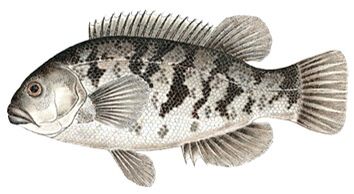 Tautog
- 8-hour blackfish trip targeting proven rocky bottom structure near Newport
- Peak October-November season with fresh crab bait and expert guidance
- Small 4-angler group ensures personalized attention and ample fishing space
Trip Pricing and Availabilities:
Rhode Island Fall Blackfish Fishing
When October rolls around in Newport, Rhode Island, something special happens on the rocky bottom just outside the harbor. The blackfish, or tautog as we call them locally, start packing onto these structures in numbers that'll make any angler's heart race. This 8-hour trip with Endeavor Sportfishing is all about capitalizing on that peak fall window when these bulldogs are feeding heavy before winter sets in. You'll be fishing some of the most productive tautog water in Rhode Island, and with a maximum of just 4 anglers on board, everyone gets premium fishing time without the crowd.
What to Expect on the Water
This isn't your typical party boat scene. With only 4 spots available, you're getting a semi-private charter experience that lets you really focus on the fishing. Captain and crew know exactly where these blackfish are stacked up this time of year, and they've got the GPS marks to prove it. We're talking about rocky bottom structure that holds fish year after year – the kind of spots that produce consistent action when the conditions line up right. The boat launches right from Newport harbor, so you're not burning half your day just getting to the fishing grounds. Within 30 minutes, you'll be dropping baits on productive structure, and that's when the real fun begins. Green and white crabs come included, which is huge because these baits can get expensive, and tautog are absolutely crazy for fresh crab this time of year.
Bottom Fishing Tactics
Tautog fishing is all about precision and patience. You're working traditional bottom rigs with sinkers heavy enough to stay put in the current, usually anywhere from 3 to 8 ounces depending on conditions. The crew will set you up with the right tackle – think conventional reels with solid drag systems and rods with enough backbone to pull these fish out of the rocks. Tautog aren't line-shy, so you can get away with heavier leaders, which is good because these fish will try to wrap you up in structure the second they feel the hook. The technique is pretty straightforward: drop your crab bait down to the bottom, take up the slack, and wait for that distinctive tautog bite. It's not a subtle tap like you might get from fluke – when a blackfish grabs your crab, you'll know it. The key is setting the hook quickly and getting them up off the bottom before they can dive back into the rocks.
Top Catches This Season
Rhode Island's tautog population is world-class, and the fall bite around Newport consistently produces fish that'll test your tackle and your technique. These aren't the small keeper-size fish you might find in summer – fall blackfish are chunky, aggressive, and absolutely delicious on the table. The rocky structure just outside Newport harbor has been producing fish in the 3 to 6-pound range regularly, with occasional monsters pushing 8 pounds or better. What makes this fishery special is the consistency. When you're on the right structure with fresh crab baits, it's not uncommon to have multiple fish on at once. The 8-hour trip length gives you plenty of time to work different pieces of structure, and the crew knows how to move around to keep the action going if one spot slows down. October through November is absolutely prime time – the water's still comfortable to fish, the fish are feeding heavily, and you're not dealing with the summer boat traffic that can crowd the good spots.
Species You'll Want to Hook
Tautog are hands-down one of the most underrated gamefish in New England waters. These fish are built like linebacker – thick, powerful, and absolutely determined to get back to their rocky hideouts once they're hooked. What makes them so special is their feeding behavior this time of year. As water temperatures start dropping in fall, tautog know they need to pack on weight before going semi-dormant for winter. They become incredibly aggressive feeders, crushing crabs and other shellfish with their powerful jaws and pharyngeal teeth. A decent keeper tautog in Rhode Island waters runs about 16 inches and 2-3 pounds, but the real trophy fish can push 20+ inches and weigh 6-8 pounds or more. These bigger fish are absolute bulldogs that'll test every knot in your rig. What really gets anglers hooked on tautog fishing is the combination of technique required and the payoff on the dinner table. These fish have some of the sweetest, firmest white meat you'll find in New England waters – better than cod, better than haddock, and with none of the muddy taste you sometimes get from other bottom fish. The fall bite window is relatively short, usually running strong from early October through mid-November, so timing your trip right is everything.
Time to Book Your Spot
Fall tautog season doesn't last long, and the best fishing happens during a pretty narrow window when everything comes together just right. Water temperature, bait availability, and fish behavior all need to align, and that typically happens for just 6-8 weeks in the fall. With only 4 spots on each trip, these dates fill up fast among anglers who know how good the fall blackfish bite can be. Endeavor Sportfishing has been putting anglers on quality tautog for years, and they've got the local knowledge and proven track record that makes the difference between a good day and a great day on the water. The included crab bait alone saves you money and hassle, and having access to those productive spots just outside Newport harbor puts you on fish without the long run that some other trips require. If you're serious about targeting quality tautog during peak season, this trip delivers the goods with the kind of personalized attention you just can't get on a crowded party boat.
Learn more about the species
Tautog
Tautog, or "blackfish" as we call them locally, are chunky fish with mottled dark skin and powerful jaws built for crushing shellfish. Most run 1-3 pounds, but we see plenty of bigger ones around Newport's rocky structure. These territorial fish stick tight to boulders, jetties, and rocky outcrops in 15-40 feet of water. Fall fishing from October through November is prime time - they're feeding heavily before moving offshore for winter. What makes tautog special is their bulldogging fight and excellent table fare. They'll test your drag on light tackle, using every rock and crevice to their advantage. Here's the key: keep your bait moving slightly. Dead-stick a green crab and you'll get picked clean, but give it subtle lifts and drops to mimic a real crab scuttling around the rocks. Fresh bait every few minutes makes all the difference with these picky eaters.
About the Endeavor Sportfishing
%2F%2Fusers%2F1fd3dedb-e428-45d6-9790-15fc7ad9afdb%2Fvehicle_picture%2F463606713_122105972900559352_82552088399394509_n-mhzj1kyo.jpg&w=1920&q=75)
Vehicle Guest Capacity: 4
Manufacturer Name: Suzuki
Maximum Cruising Speed: 30
Number of Engines: 1
Horsepower per Engine: 300